

AI tools and platforms (ChatGPT, Claude, Narrativa® Navigator) are changing how we write. Users worldwide are learning how editors can work with AI writers to create better content. This partnership helps teams write faster and more efficiently, but editors need to know how to guide these tools to get the best results for every field (marketing, news, e-commerce).
Content editor profiles can vary: journalists, copywriters, SEO specialists, content strategists, scriptwriters… Each tool and company has its own particularities, but through this post we explain how to make the most of this collaboration.
Why AI writers need human editors
AI writers generate content fast: creating drafts, headlines, and ideas in seconds. But:
- They don’t think like humans
- They don’t verify facts
That’s where editors come in. Editors bring knowledge, context, and judgment. They know the audience, the brand voice, and the message. Editors make sure AI-generated content is accurate, clear, and useful.
In the case of Narrativa® Navigator, one of the most important factors is knowing how to use the tool properly (we offer a user guide and a course with demo videos for this), along with having quality data to generate the content.
Understanding what AI writers can and cannot do
AI tools work by predicting words based on patterns. They have read billions of pages, so this makes them great at writing quickly and generating ideas.
But they do not understand what they write. ChatGPT cannot check facts or spot errors and may create fluff or repeat ideas: editors need to know these limits before using AI drafts.
Journalists working with Narrativa® Navigator have shared their experience with us. They greatly value receiving a quick draft with relevant data, which they can then enrich with their own information. Since our tool does not generate fabricated content and relies on verified data, it significantly speeds up the review process.
From fixer to collaborator
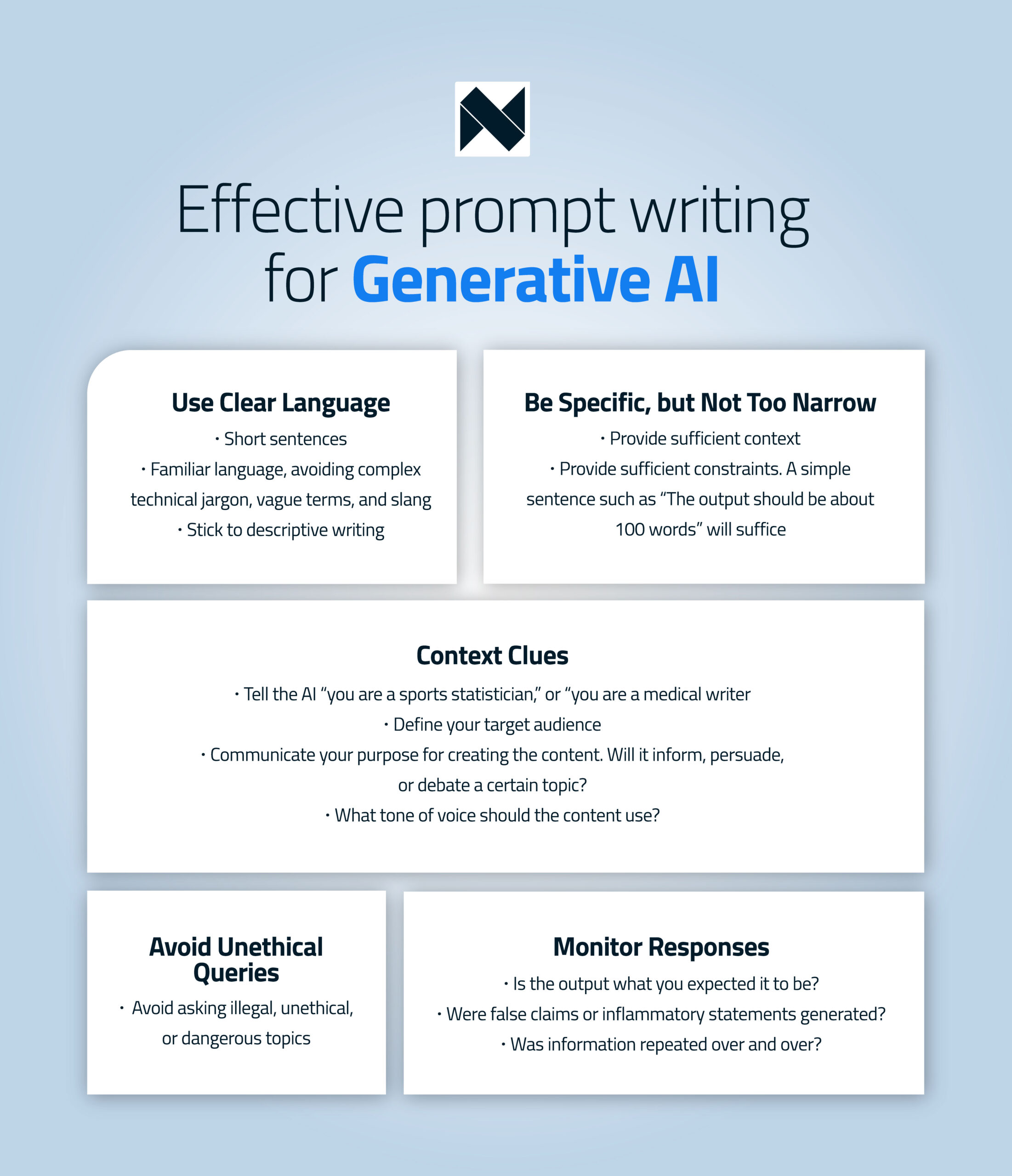
In the past, editors mostly corrected writers’ drafts. Now, they often guide the AI from the start. They write prompts that tell the AI what to produce: a clear, well-written prompt leads to better drafts.
Other tools simply deliver a draft, leaving no room for editors to shape the output. But that’s not ideal. Editors need control over the entire process from the start to make sure the final result truly meets their needs.
After the AI writes, editors review the text. They check facts, improve structure, and make sure the tone fits the brand. Editors turn rough drafts into polished content.
Common mistakes in AI content
Editors must stay alert for:
- Bias
- Unclear claims
- Weak conclusions
- Inconsistent names or facts
Practical ways to use AI in editing
AI works well for:
- Drafting articles
- Outlining topics
- Brainstorming headlines
- Simplifying complex text
- Rewriting paragraphs
- And more…
Editors bring:
- Expertise
- Judgment
- Fact-checking
- Creativity
The combination of both produces strong, accurate, and valuable content.
Skills editors need to work with AI
Editors should develop:
- Prompt writing skills
- Fact-checking abilities
- Brand voice management
- Ethical judgment
- A clear understanding of AI limits
Editors will always be needed
AI will not replace editors: it will change how they work. Editors who learn how to work with AI writers will create better content faster. But human oversight ensures quality, trust, and accuracy.