

Agentic AI gets all the headlines for producing content automatically in a simple and easy way. But there’s something less visible that’s vital for the quality of the generated content: structured data. What is structured data and why is it crucial for agentic AI?
What is structured data?
When choosing a data set for content generation, it’s important to consider two key factors:
- The authority of the source: for example, an official institution or trusted organization.
- The quality of the data: how frequently and promptly it’s updated.
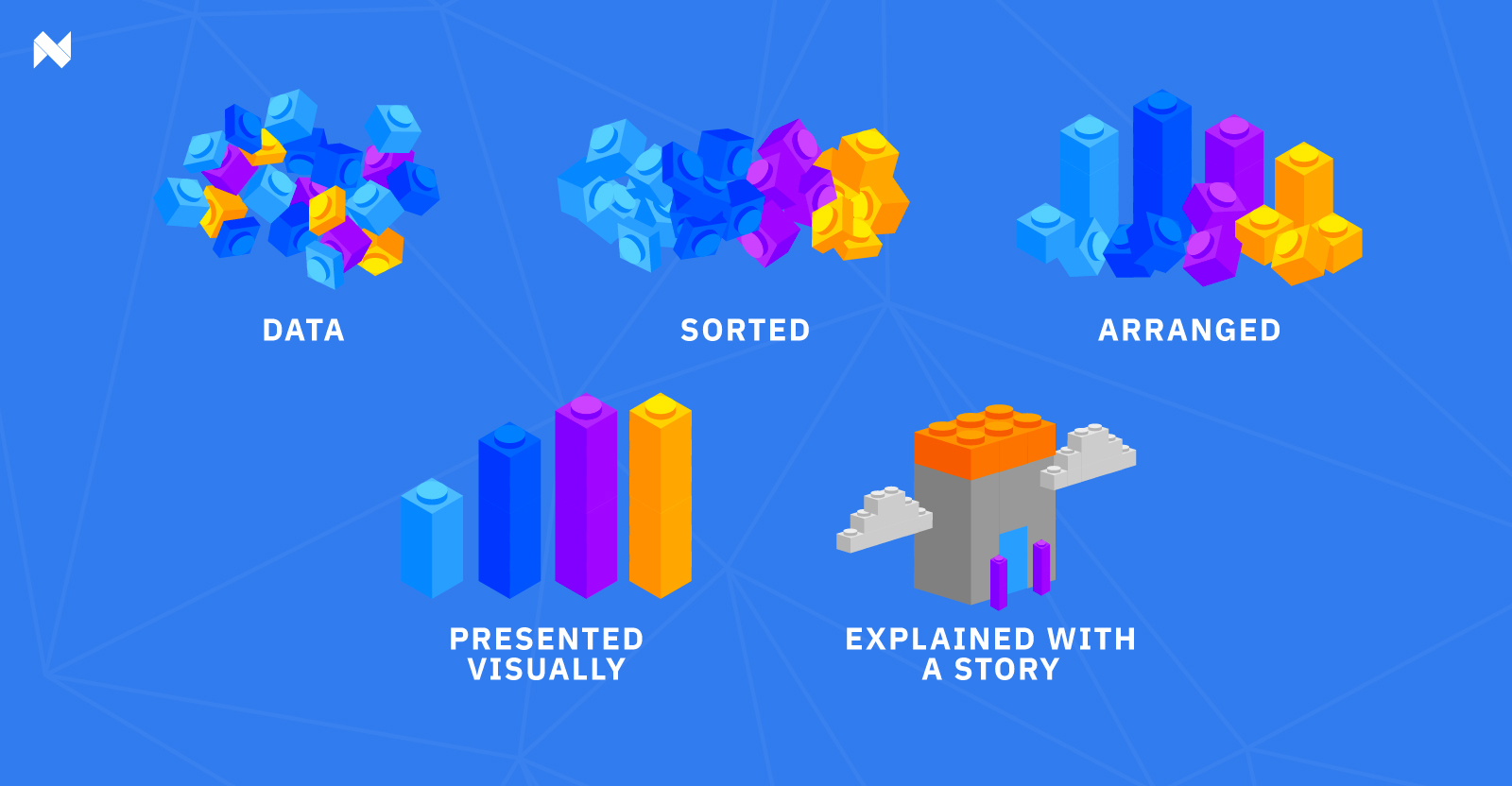
The more data you have, the better the quality of the content. But not all data is useful. From a technical perspective, it must be structured. Ideally, it should come from an API or endpoint—otherwise, the system will struggle to process it. If the data isn’t structured, it requires significantly more effort to handle.
Structured data is the reliable information that helps agentic AI produce accurate, consistent, and trustworthy content—especially in complex fields like healthcare and finance.
These data can be presented in different formats:
- CSV (Comma-Separated Values)
- Excel (XLS / XLSX)
- Relational databases (SQL)
- JSON (JavaScript Object Notation)
- XML
- Google Sheets
- And more…
Data:

Output:
The clinical trial titled “A Study of DrugX in Patients with ABC” (EudraCT 2020-000123-45) has been completed. This Phase III study evaluated the efficacy of DrugX in reducing symptoms of XYZ. A summary of the results is available.
Another trial, “Safety of DrugY in Elderly Patients” (EudraCT 2021-000456-78), is currently ongoing. This Phase II study focuses on monitoring the incidence of side effects associated with DrugY.
Now, what would happen if the data were incorrect?
The format is inconsistent.
Data:

Output:
The study “Study of DrugX in ABC patients” (EudraCT 2020-000123-45) is marked as complete, although status is unclear. It involved the drug DRUGX in Phase III, targeting a primary endpoint of “Reductn symptom XYZ.”
Another study, “Safety of DrugY elderly patients”, lacks a EudraCT number and has missing data for the primary endpoint. It is listed as ongoing, involving a drug referred to as “drug Y.”
Problems in the generated content:
- Lack of precision: the endpoint error is reproduced exactly as is (“Reductn” instead of “Reduction”).
- Name inconsistencies: DrugX appears in different forms.
- Ambiguity: the absence of the EudraCT number makes it hard to clearly identify the study.
- Lack of trust: the automated output reflects uncertainty, damaging the credibility of the content.
This becomes especially important in highly regulated sectors such as life sciences, where structured datasets such as clinical trial registries, regulatory documentation, and drug safety reports are used to generate scientific or regulatory content.
As you can imagine, the way structured data is handled has a major influence:
Why it’s crucial for agentic AI
1. It enables automation
When data is organized (for example, in tables with defined fields), systems can:
- Easily locate the information they need
- Apply rules, templates, or generative models without ambiguity
- Process large volumes without human intervention
Example: generating thousands of real-time sports result summaries.
2. It reduces errors and ambiguity
Messy or free-text data is hard for machines to understand. Structured data allows:
- Identifying each item by its context (e.g., “goals” ≠ “minutes played”)
- Avoiding confusion in names, dates, or quantities
- Generating more accurate and coherent content
3. It improves traceability and control
With well-structured data:
- You can know exactly where each fact in the generated text came from
- It’s easier to audit or validate results (especially important in sectors like pharma, , or journalism)
- Filters, comparisons, and validation rules can be applied
4. It supports multilingual and personalized content
Agentic AI systems can reuse the same data structure to:
- Generate content in multiple languages
- Adapt texts for different audiences (e.g., more technical vs. more general)
- Shift focus without changing the database (e.g., highlight results or standout players)
5. It integrates easily with tech systems
Structured data:
- Is compatible with APIs, databases, spreadsheets, dashboards
- Can be automatically updated from external sources
- Supports smooth, continuous workflows
What if my company has unstructured data?
You can always reach out to us. Unstructured data will require more processing, but our AI system will be able to sort it out to create content with agentic AI.
About Narrativa
Narrativa Agentic AI solutions unlock a faster, smarter future for life sciences organizations, helping them to efficiently produce complex, high-volume documentation for regulatory and commercialization workflows. By automating content creation, Narrativa delivers greater speed, accuracy, and consistency—while ensuring full compliance in highly regulated environments.
Narrativa Navigator Platform provides secure and specialized Agentic AI-powered automation features. It includes complementary user-friendly tools such as the Medical Authoring Companion for CSR and Protocol generation, BioStat Developer for AI Agents for TLF generation and SDTM and ADaM dataset generation, Narrative Pathway, and Redaction Scout, which operate cohesively to transform clinical data into submission-ready documents for regulatory and commercialization. From database to delivery, pharmaceutical sponsors, biotech firms, and contract research organizations (CROs) rely on Narrativa to streamline workflows, decrease costs, and reduce time-to-market across the clinical lifecycle and, more broadly, throughout their entire businesses.
Explore www.narrativa.com and follow on LinkedIn, Facebook, Instagram, and X.