Connect study evidence
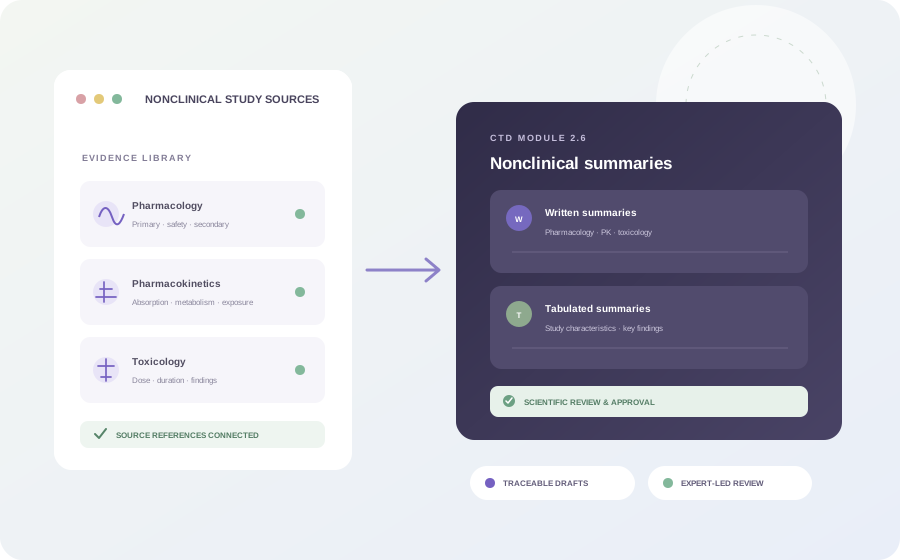
Gather approved study reports, data, and supporting references across pharmacology, pharmacokinetics, and toxicology.

Transform nonclinical study reports into clear CTD Module 2.6 narratives and tables—with evidence linked to source and scientific interpretation kept in expert hands.
AI AGENTS TRUSTED BY LIFE SCIENCES ORGANIZATIONS






Bring study evidence into a consistent set of written summaries and tabulated study information. Agents support organization, drafting, and cross-checks while nonclinical experts own scientific assessment and conclusions.
Gather approved study reports, data, and supporting references across pharmacology, pharmacokinetics, and toxicology.
Organize the introduction and pharmacology, pharmacokinetics, and toxicology summaries within the Module 2.6 framework.
Capture key study identifiers, design, test system, dose, duration, endpoints, and results in structured tables.
Support concise summaries of study design and results while keeping dose, exposure, and study limitations visible.
Connect narrative statements and table entries to their supporting source reports and approved study data.
Surface gaps, inconsistencies, and reference issues for follow-up while experts retain control of scientific conclusions.
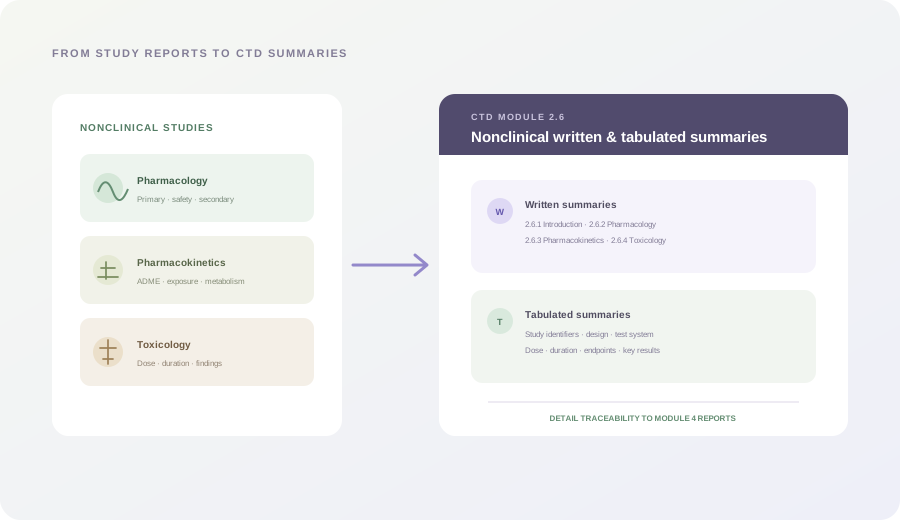
Nonclinical Written and Tabulated Summaries comprise CTD Module 2.6. The written summaries provide a concise account of pharmacology, pharmacokinetics, and toxicology findings; the tabulated summaries organize key study characteristics and results for review alongside the detailed reports in Module 4.
Medical Authoring Companion helps teams organize source materials, prepare structured drafts, and connect summary content to its supporting evidence. Automated checks can help identify inconsistencies between narrative and tables, while qualified nonclinical experts remain responsible for scientific interpretation, accuracy, and approval.
Learn how AI-assisted authoring can support nonclinical summaries while keeping scientific decisions with your team.
They are CTD Module 2.6, which presents concise written summaries and tabulated summaries of nonclinical pharmacology, pharmacokinetics, and toxicology data. They help reviewers navigate the evidence supported by detailed study reports in Module 4.
The written summaries include an introduction, followed by summaries of pharmacology, pharmacokinetics, and toxicology. The scope and level of detail depend on the product, the nonclinical program, and applicable submission guidance.
Tables organize key study details and results, such as study type, test system or species, route, dose, duration, endpoints, and principal findings. The appropriate fields vary by study and are checked against the detailed source reports.
Module 4 contains the detailed nonclinical study reports. Module 2.6 summarizes and organizes relevant findings from those studies. Links between statements, tabulated results, and source documents help reviewers navigate from summary to supporting evidence.
Agents can help gather approved sources, structure draft sections, extract study information into tables, and flag potential inconsistencies or missing references. They support the workflow; they do not replace qualified scientific assessment.
Qualified pharmacology, pharmacokinetics, toxicology, and regulatory experts review the evidence, assess relevance, develop conclusions, and approve the final summaries under the sponsor’s quality processes.