Connect clinical sources
Bring approved clinical study reports, protocols, summaries, and relevant datasets into a traceable authoring workflow.

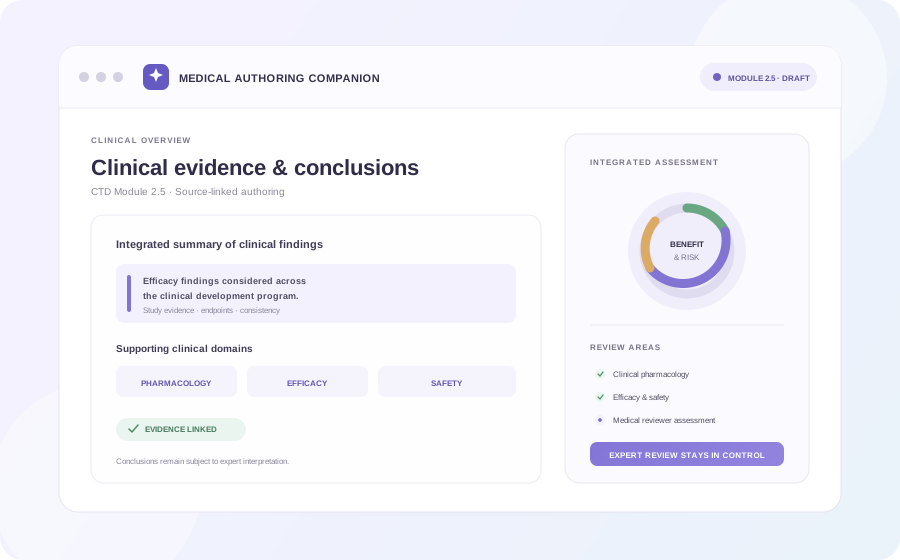
Bring clinical pharmacology, efficacy, and safety evidence into a structured Clinical Overview—with source-aware drafting and expert-led critical assessment for CTD Module 2.5.
AI AGENTS TRUSTED BY LIFE SCIENCES ORGANIZATIONS






Purpose-built agents help teams bring clinical evidence into a clear, structured narrative, compare findings across studies, and prepare content for critical review by clinical and regulatory experts.
Bring approved clinical study reports, protocols, summaries, and relevant datasets into a traceable authoring workflow.
Organize study designs, patient populations, treatment exposure, and program context to orient the clinical narrative.
Bring pharmacokinetics, pharmacodynamics, dose rationale, and relevant special-population evidence into context.
Summarize key endpoints and findings across relevant trials, with attention to consistency, limitations, and clinical context.
Organize adverse-event findings, important risks, and exposure context for a balanced clinical safety narrative.
Assemble a coherent CTD Module 2.5 draft with references, consistency checks, and clinical expert review.
The Clinical Overview is CTD Module 2.5: a concise, critical assessment of the clinical data in a marketing application. It describes the clinical development program, summarizes relevant clinical pharmacology, efficacy, and safety findings, and discusses how the evidence supports the proposed product information and benefit–risk profile.
Medical Authoring Companion helps teams organize source evidence and prepare structured drafts that connect narrative statements to their supporting materials. Clinical and regulatory experts remain responsible for interpretation, critical assessment, conclusions, and approval against the applicable regional requirements.
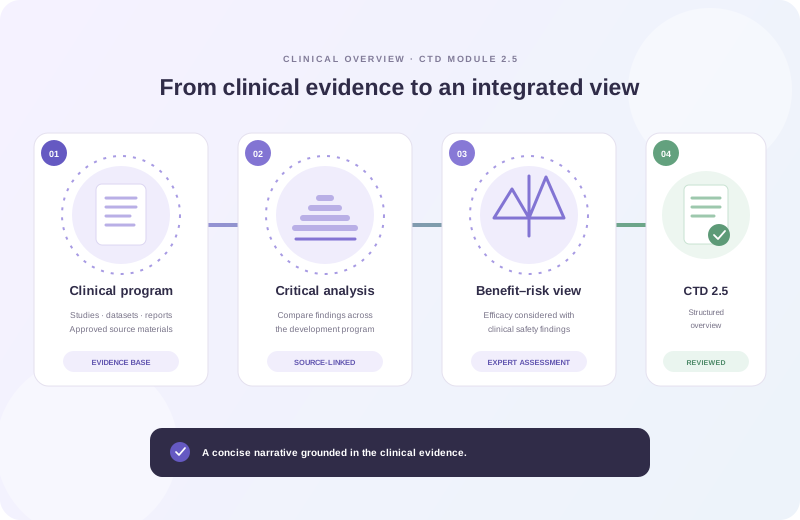
Learn how AI-assisted authoring can support a critical, source-grounded overview of clinical data.
The Clinical Overview is CTD Module 2.5, a concise critical assessment of the clinical data in a marketing application. It summarizes the development program and the key clinical pharmacology, efficacy, and safety evidence, placing the findings in context for the application.
Agents can help gather and organize approved sources, structure sections, prepare evidence-grounded summaries, and support consistency and reference checks. Clinical and regulatory experts direct the work and perform the critical assessment.
Teams may use clinical study reports, protocols, clinical pharmacology reports, integrated summaries, datasets, and other approved application materials as appropriate. Source selection is defined by the application and organization’s procedures.
A structured workflow can organize findings by clinical domain and study, connect summaries to supporting evidence, and help reviewers compare results across the program. Expert authors interpret the totality of evidence and its relevance to the proposed use.
No. AI can support evidence organization and drafting, but qualified clinical and regulatory experts make the critical assessment and are responsible for benefit–risk conclusions and the application narrative.
Source references can connect draft statements to underlying documents or data, helping reviewers verify support, identify gaps, and manage revisions. Final quality review follows the sponsor’s procedures and applicable submission requirements.