Connect study evidence
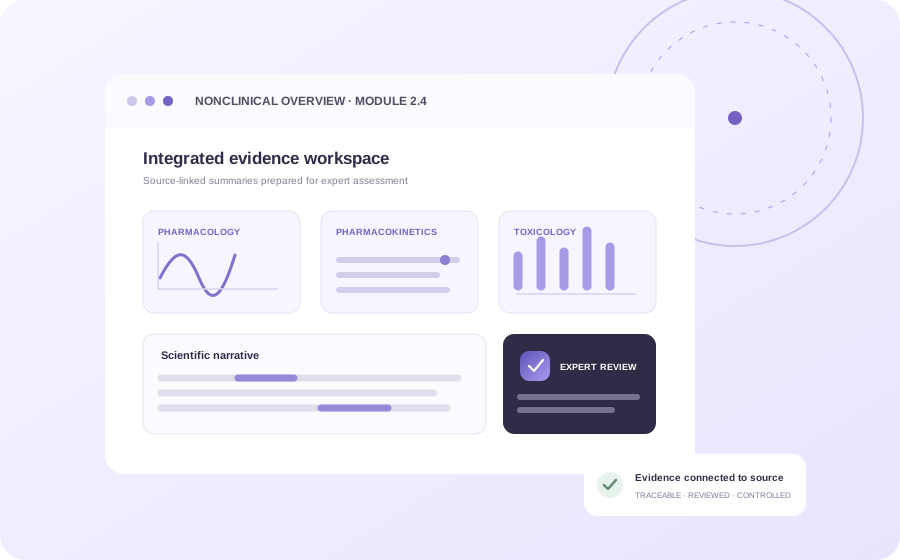
Bring approved pharmacology, pharmacokinetics, and toxicology reports together with traceable references to source material.

Bring pharmacology, pharmacokinetics, and toxicology evidence into a structured Nonclinical Overview—with source-aware drafting and expert-led scientific.
AI AGENTS TRUSTED BY LIFE SCIENCES ORGANIZATIONS






Purpose-built agents help teams organize nonclinical study evidence into a clear, structured narrative and prepare content for critical review by toxicology, pharmacology, and regulatory experts.
Bring approved pharmacology, pharmacokinetics, and toxicology reports together with traceable references to source material.
Organize study objectives, species, dosing, duration, and key endpoints to make the nonclinical evidence easier to navigate.
Support summaries of primary and secondary pharmacology, pharmacokinetics, metabolism, and relevant exposure findings.
Organize key findings, dose levels, exposure margins, target organs, and study limitations for expert assessment.
Prepare structured Module 2.4 content with references that help authors verify statements against the underlying studies.
Surface gaps, inconsistencies, and reference issues while scientific experts retain control of interpretation and conclusions.
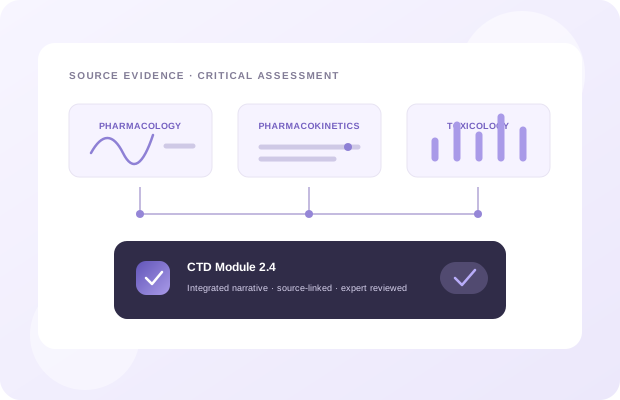
The Nonclinical Overview is CTD Module 2.4: an integrated summary and critical analysis of the nonclinical data in a marketing application. It places pharmacology, pharmacokinetics, and toxicology findings in context and explains how the evidence informs the nonclinical safety profile and supports the proposed clinical use.
Medical Authoring Companion helps teams organize approved source evidence, prepare structured drafts, and connect narrative statements to supporting studies. Nonclinical subject-matter experts remain responsible for scientific interpretation, relevance, conclusions, and approval against applicable requirements.
Learn how AI-assisted authoring can support a source-grounded overview of nonclinical data.
The Nonclinical Overview is CTD Module 2.4, an integrated summary and critical analysis of nonclinical information in a marketing application. It brings pharmacology, pharmacokinetics, and toxicology findings together to explain their relevance to the product’s safety profile and proposed use.
Agents can help organize approved study sources, structure sections, prepare evidence-grounded summaries, and support consistency and reference checks. Qualified nonclinical experts direct the work and perform the scientific interpretation and critical assessment.
Depending on the product and application, evidence may include pharmacology studies, pharmacokinetic and ADME studies, toxicology reports, safety pharmacology, genotoxicity, reproductive toxicology, and other relevant nonclinical materials. The source set is defined for the specific submission.
A structured workflow can organize study design, species, dose, exposure, findings, and limitations and connect summaries back to source reports. Toxicologists assess the significance of findings and their relevance to the proposed clinical use.
AI can support evidence organization and drafting, but it does not replace expert scientific judgment. Qualified pharmacology, toxicology, and regulatory experts determine the relevance of findings, interpret the evidence, and develop the final conclusions.
Source references can connect draft statements to underlying study reports or data, helping reviewers verify support, identify gaps, and manage revisions. Final quality review follows sponsor procedures and applicable submission requirements.