Connect source evidence
Bring together clinical study reports, protocol information, datasets, and approved tables with references writers can verify.

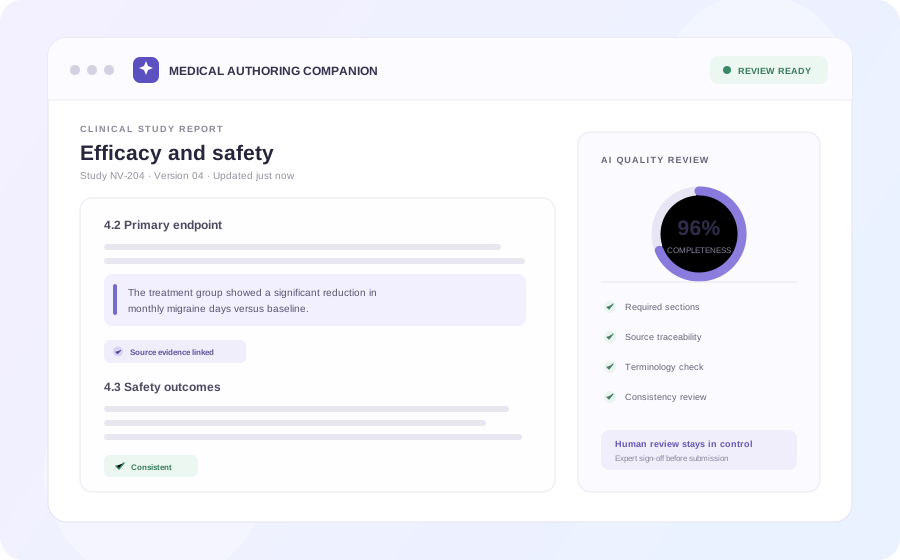
Bring clinical study evidence together into clear, structured summaries—with source-aware drafting, consistency checks, and medical writers in control of every conclusion.
AI AGENTS TRUSTED BY LIFE SCIENCES ORGANIZATIONS






Purpose-built agents help teams assemble clinical evidence into structured summaries, check alignment across documents, and keep every draft connected to its sources—while qualified experts assess the science and approve the final content.
Bring together clinical study reports, protocol information, datasets, and approved tables with references writers can verify.
Organize summaries into a clear framework for clinical pharmacology, efficacy, safety, and individual study synopses.
Support concise, balanced summaries of study design, population, endpoints, results, and limitations grounded in the underlying data.
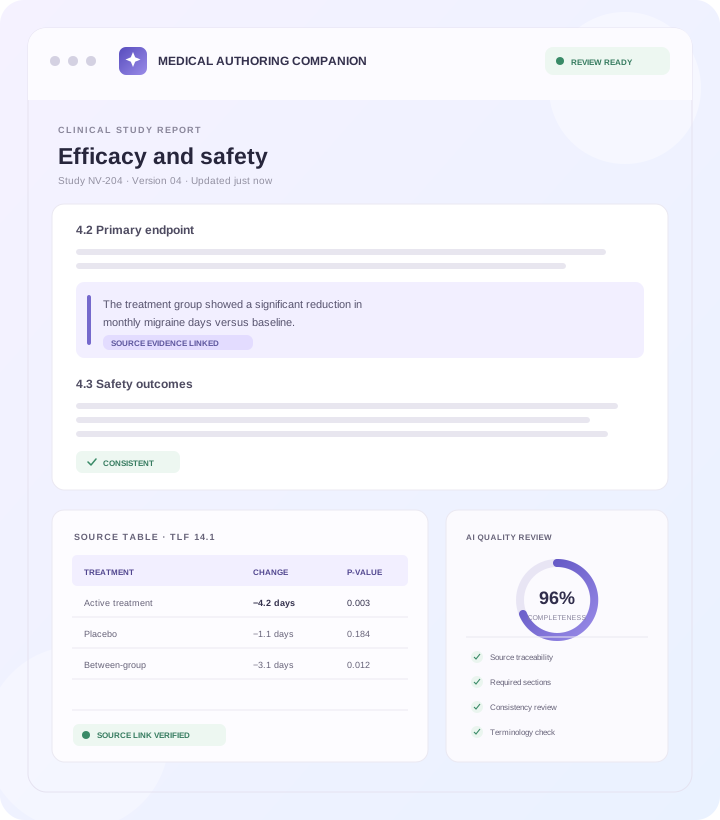
Link statements to supporting sources so reviewers can check the evidence behind findings and follow up on discrepancies.
Surface potential mismatches, missing context, and conflicting values across summaries, reports, and source outputs for review.
Medical writers and clinical experts interpret findings, resolve review comments, and approve content before it is finalized.
A Clinical Summary brings together clinical evidence from a development program in a structured format. It can cover clinical pharmacology, efficacy, safety, and individual study results, helping reviewers understand the evidence and how findings relate across studies.
Medical Authoring Companion helps teams organize source materials, draft section-level summaries, and trace statements back to supporting evidence. Automated checks can help identify inconsistencies for follow-up, while medical writers and clinical experts retain responsibility for interpretation, conclusions, and final approval.
Learn how AI-assisted workflows can support Clinical Summary preparation while keeping scientific decisions with your team.
A Clinical Summary presents clinical evidence from a development program in a structured way. In a common regulatory dossier format, summaries address areas such as biopharmaceutics, clinical pharmacology, efficacy, safety, and individual study results.
Agents can help organize approved source information, prepare structured draft sections, summarize study outputs, and flag content for review. Medical writers and clinical experts verify evidence, interpretation, and final wording.
Source-aware workflows can associate draft statements with supporting study documents and data outputs. This helps reviewers verify reported values and investigate questions against the original evidence.
AI can assist with organizing and summarizing information, but it does not replace qualified clinical judgment. Experts assess the meaning, limitations, and relevance of findings and determine the appropriate conclusions.
Automated checks can compare study details and reported results across summary sections, clinical study reports, and tables or listings, surfacing potential differences for human review.
No. AI supports authoring and quality review. Medical writers, statisticians, and clinical experts remain responsible for the scientific interpretation, accuracy, and approval of the final document.